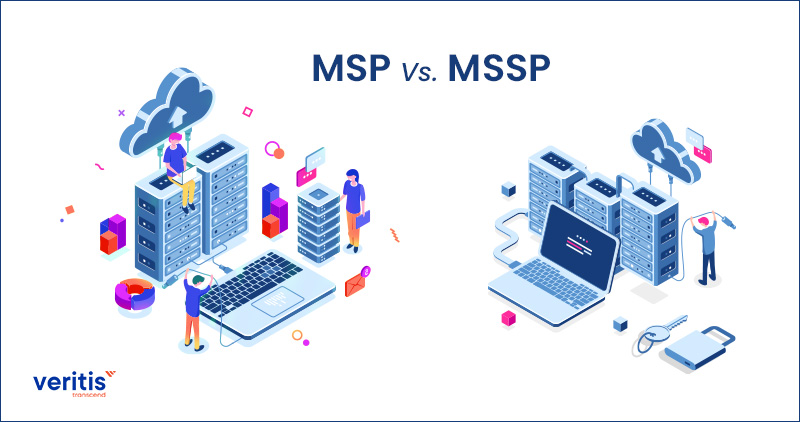
MSP vs MSSP: What’s the Difference — and Why It Matters More Than Ever
As cybersecurity requirements continue to increase across industries, many organizations are discovering that traditional IT support is no longer enough.
This has led to growing confusion around two commonly used terms:
- MSP (Managed Service Provider)
- MSSP (Managed Security Service Provider)
While the names sound similar, the business focus and risk responsibilities are very different.
What Is an MSP?
A Managed Service Provider (MSP) primarily focuses on day-to-day IT operations and infrastructure support. Typical MSP services include:
- help desk support
- workstation management
- Microsoft 365 administration
- server maintenance
- backups
- patching
- network management
MSPs are designed to keep systems operational and users productive.
Many businesses rely on MSPs as outsourced IT departments, especially when they do not maintain large internal IT teams.
What Is an MSSP?
A Managed Security Service Provider (MSSP) focuses specifically on cybersecurity monitoring, detection, response, and compliance-oriented security operations.
An MSSP may provide:
- endpoint detection and response (EDR)
- SIEM monitoring
- vulnerability management
- incident response
- security policy support
- compliance monitoring
- threat intelligence
- managed security tooling
In short:
An MSP keeps your systems running.
An MSSP helps protect your systems from attack and supports security governance.
Why the Difference Matters
Historically, many organizations assumed cybersecurity could simply be added onto traditional IT support. That model is becoming increasingly difficult to sustain.
Today, organizations face:
- ransomware risks
- cyber insurance requirements
- SOC 2 obligations
- HIPAA security expectations
- CMMC readiness requirements
- vendor security questionnaires
- customer-driven compliance demands
These pressures require deeper security specialization than many traditional MSP models were originally built to provide.
The Rise of Compliance-Driven Security
One major trend we are seeing is the convergence of cybersecurity operations and compliance readiness.
For example, organizations pursuing:
- SOC 2
- ISO 27001
- HIPAA
- NIST 800-171
- CMMC
often discover that documentation alone is not enough. Auditors increasingly expect operational evidence showing that security controls are actively implemented and monitored.
This is where MSSP capabilities become strategically important.
How Strong Cyber Solutions Approaches MSSP Services
At Strong Cyber Solutions, our focus is not simply “IT outsourcing.” Our approach centers on helping organizations align cybersecurity operations with compliance requirements and audit readiness.
As part of this strategy, we recently expanded our capabilities through an MSSP relationship with Drata, allowing us to offer clients access to compliance automation and managed security workflows at MSSP pricing structures.
This matters because many organizations struggle with:
- the cost of compliance tooling
- fragmented evidence collection
- disconnected security operations
- lack of internal compliance expertise
By combining advisory services with managed compliance and security support, organizations can reduce operational friction while improving audit readiness.
MSP or MSSP: Which Does Your Organization Need?
For many businesses, the answer is actually both.
An MSP may remain responsible for:
- infrastructure support
- user administration
- general IT operations
While an MSSP helps address:
- security monitoring
- compliance readiness
- cybersecurity governance
- audit evidence
- threat management
The important thing is understanding the distinction clearly enough to ensure security responsibilities are not falling into operational gaps between providers.
As cybersecurity and compliance requirements continue to evolve, that distinction will only become more important.